





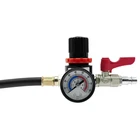


19PC Turbo Boost Leak Tester Kit, Boost Leak Test Set with 8 Pairs Smoke adapter
$ 83.93
Description
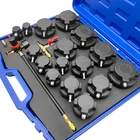
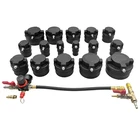
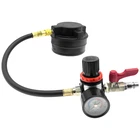
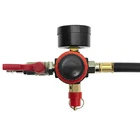
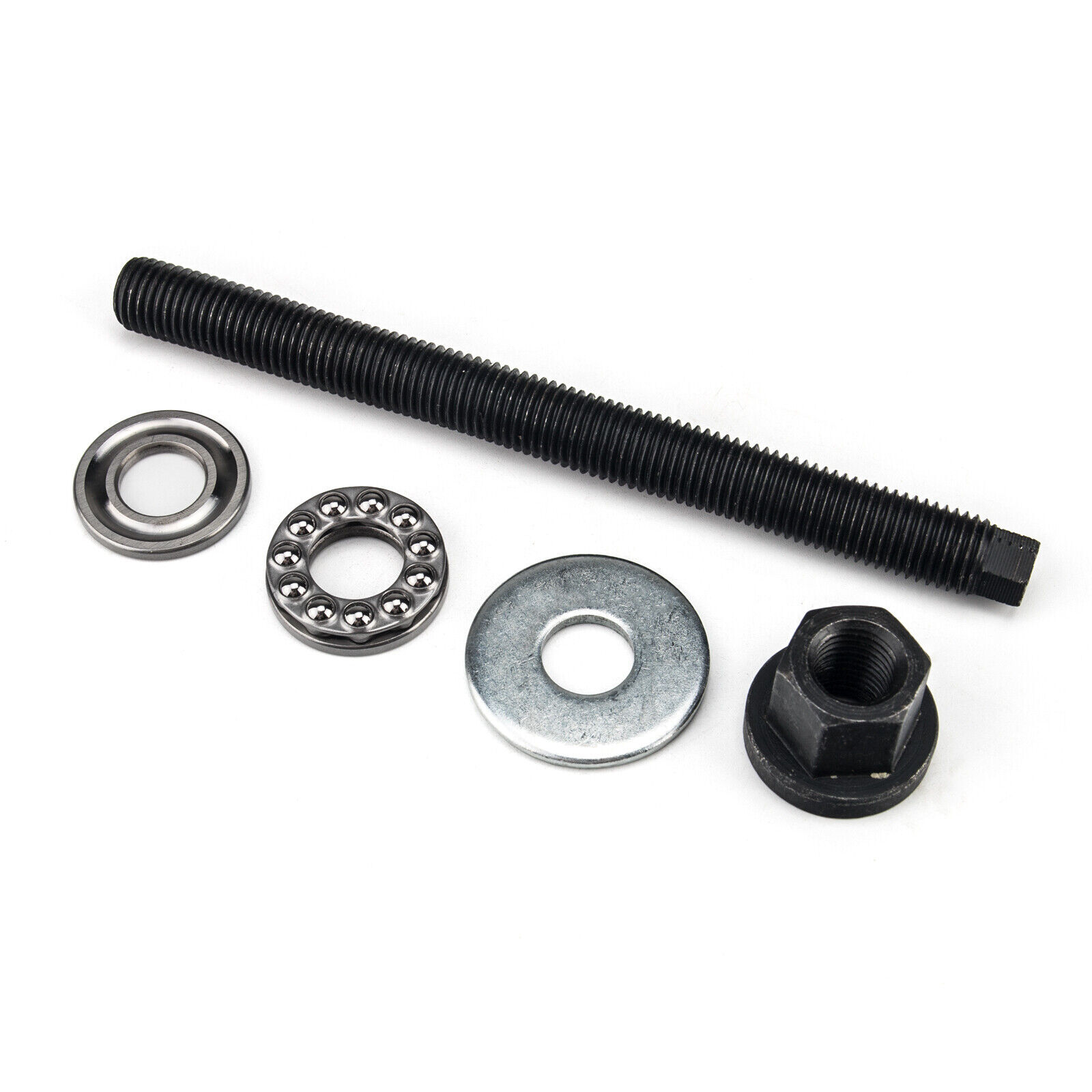
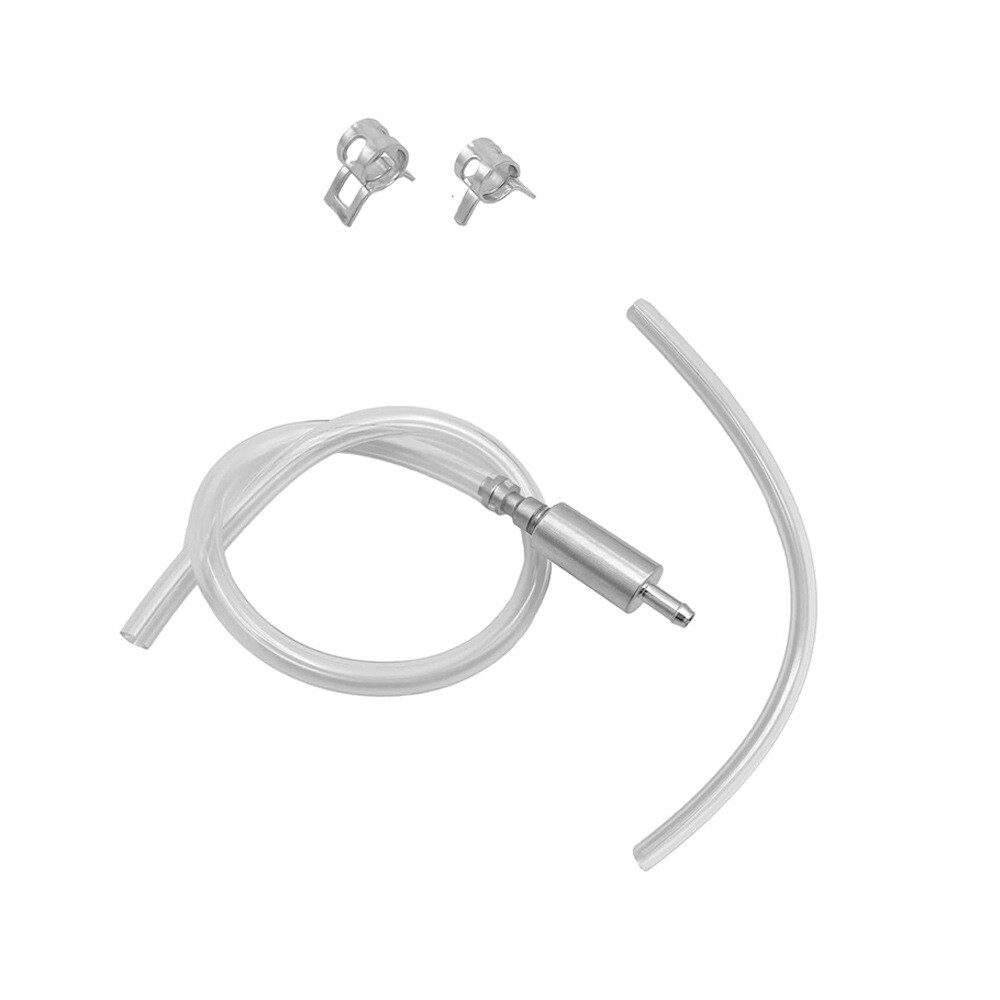
🚕【Quickly Locate Leaks】Turbo boost leak tester is designed to accurately detect and locate leaks in the turbocharger systems of most cars and light trucks.You can repair leaks in time, restore vehicle performance, improve fuel efficiency and extend engine life. Boost leak tester can also be used to detect leaks in the cooling and emission systems, including anywhere an adapter can be mounted,such as radiators, coolers, hoses and pipe assemblies.It's a essential tool for any automotive enthusiast. 💡【8 Pairs of Stepped Adapters & Good Sealing Performance】The boost leak tester adapters adopt a stepped design.Each adapter features 2 size steps to fit different sizes pipes.The adapters are made of premium hard nylon and metal material and can be firmly mounted on different pipes, ensuring good sealing performance. Adapters O.D. range: 31mm(1-1/4”)38mm(1-1/2“)46mm(1-4/5"), 51mm(2"), 55mm(2-1/8"), 60mm(2-3/8"), 65mm(2-1/2"), 70mm(2-3/4"), 75mm(3"), 80mm(3-1/8"), 85mm(3-3/8"), 90mm(3-1/2"), 95mm(3-3/4"), 100mm(3-9/10").105mm(4-1/8"),110mm(4-3/8") 🔎【Pressure Gauge with Pressure Regulator & Relief Valve】Turbo boost leak tester comes with a 0-6bar (0-86psi) pressure gauge,allowing you to observe system pressure at a glance.The pressure gauge has a pressure regulator.Pull it up and turn it to adjust pressure you need, press down to lock.It also has a pressure relief valve to prevent over pressure.If pressure is too high, you can reduce air pressure by pulling pressure relief valve(automatic pressure relief when pressure exceeds 36Psi/2.5Bar). ✅【Two Ways to Use】Compared to other turbo system leakage testers, our boost leak test kit comes with an adapter to connect to a s.moke machine. You can locate the leak by observing whether there is s.moke coming out of the system. If you don't have a s.moke machine, you can tell if the system has a leak by observing whether the pressure gauge maintains pressure. If the pressure drops, you can listening for any leaks or find the leak by hand or spray. 🌹【Easy To Use】Plug the proper adapter into the inlet and outlet of the system. Connect the T-type connector with the inlet adapter and pressure gauge and s.moke machine. Rotate the pressure regulator knob to set the pressure you need. Turn on the s.moke machine, then connect to the shop air to pressurize the system. After pressurization, turn off the s.moke machine and shop air, observe if the pressure gauge maintains pressure and if there is s.moke coming out of the system to locate the leak.


Seems ok not used yet